
Orthodontics in Panama: A Guide to Choosing Your Treatment
More and more adults, teens and children are looking for orthodontics in Panama, not only for a more attractive smile, but also for a healthier bite, easier oral hygiene and long-term oral health. Today there are nearly invisible options, more comfortable appliances and treatment plans that fit every lifestyle.
In this guide, we explain what orthodontics is, which treatment options are available, when to start and how to choose the right specialist in Panama City.
What Is Orthodontics and When Do You Need It?
Orthodontics is the dental specialty that diagnoses and corrects malocclusions: the misalignment of the teeth and the relationship between the jaws. Its goal is a smile that looks good, but above all one that functions well and remains stable over time.
It is worth seeing an orthodontist if you notice any of these signs:
- Crowded, rotated or crooked teeth, or gaps between them (spacing).
- Protruding upper teeth (overjet) or lower teeth in front of the upper teeth (underbite).
- Open bite or crossbite.
- Difficulty chewing or uneven tooth wear.
- Pain or clicking in the jaw joint (TMJ).
- Difficulty cleaning between your teeth.
Types of Orthodontic Treatment in Panama
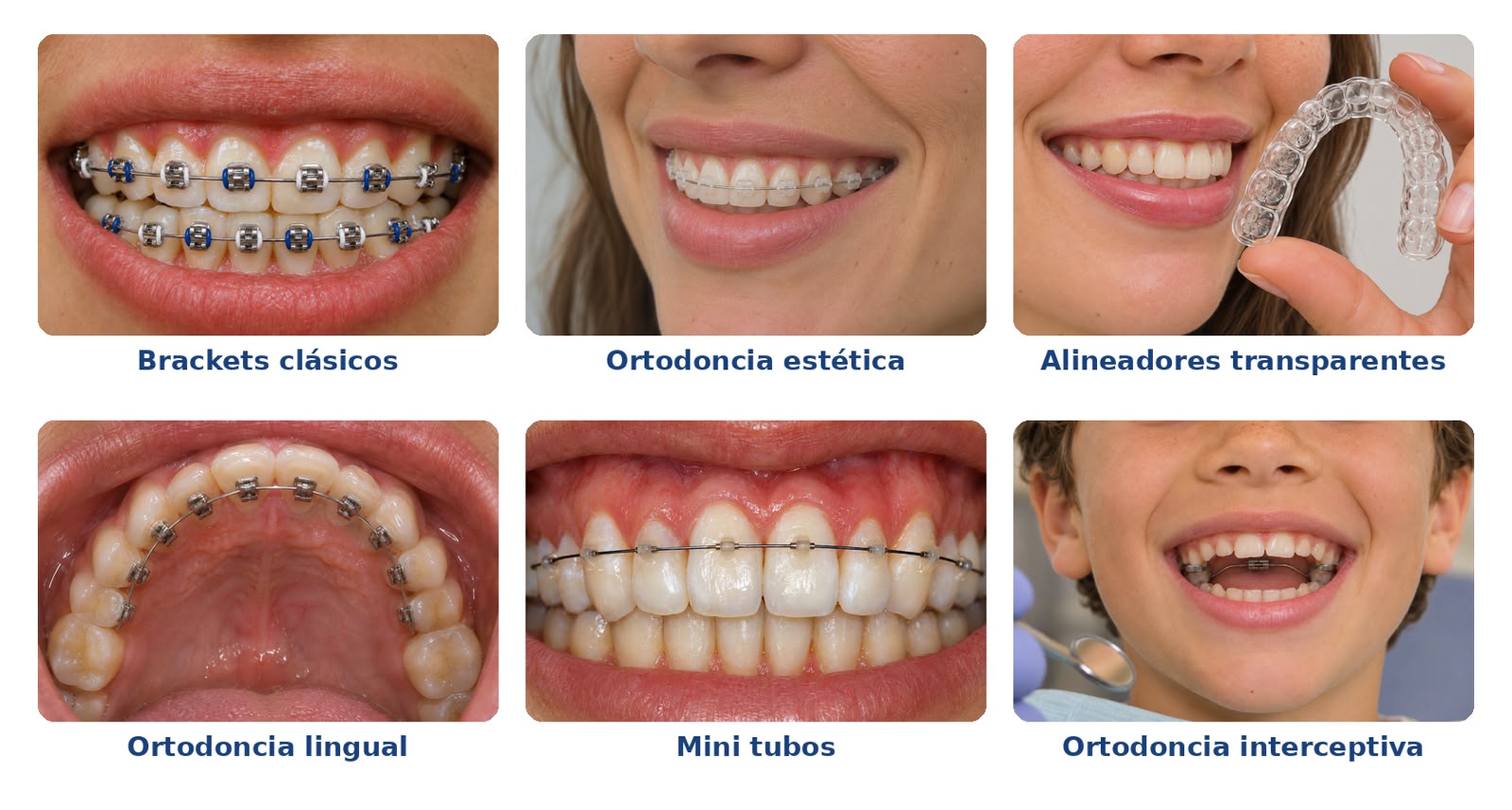
There is no one-size-fits-all treatment. These are the most common options for orthodontics in Panama today:
| Type | What it is | Best for |
|---|---|---|
| Traditional metal braces | Fixed stainless steel brackets and archwires; durable and highly effective | Cases of any complexity |
| Ceramic braces | Tooth-colored ceramic or sapphire brackets | Patients who want a less noticeable appliance |
| Mini Tubes | Small tubes bonded to the teeth instead of conventional brackets; more discreet and comfortable | Patients who want fixed treatment that is discreet and comfortable |
| Clear aligners | Nearly invisible removable trays, changed in stages | Adults and teens who will wear them consistently |
| Lingual braces | Brackets bonded to the back (tongue side) of the teeth | Patients seeking maximum discretion |
| Interceptive orthodontics | Appliances that guide jaw growth (Phase I treatment) | Growing children |
Your orthodontist will recommend the right option after a comprehensive diagnosis, including a clinical exam, radiographs and, when needed, an intraoral scan.
When Should You Start Orthodontic Treatment?
It is never too late to straighten your teeth. Adults are now one of the groups most likely to seek orthodontic care, especially with ceramic braces, Mini Tubes or clear aligners.
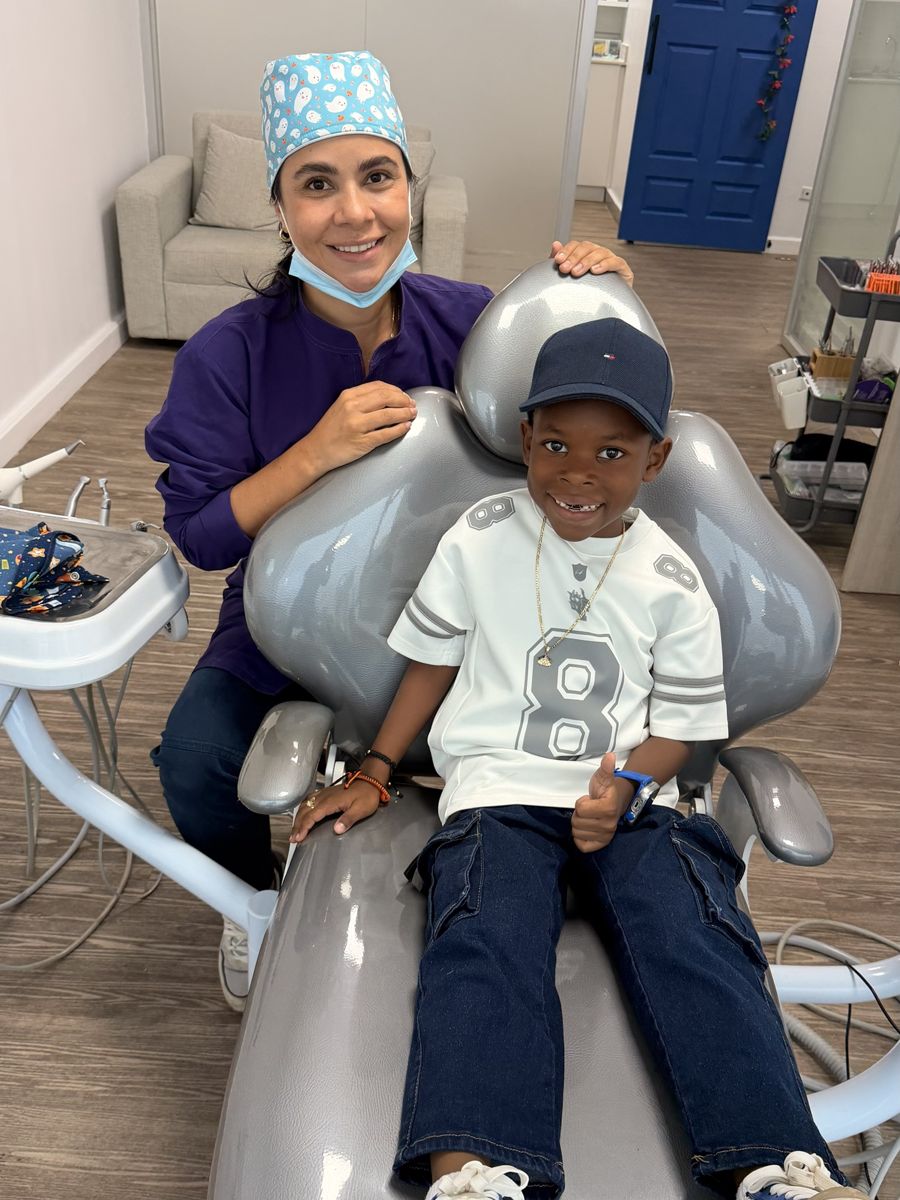
For children, the American Association of Orthodontists recommends a first orthodontic evaluation around age 7. At that age, the specialist can detect growth problems and, if needed, correct them early with interceptive orthodontics. This can simplify or shorten later treatment.
How to Choose an Orthodontist in Panama
Choosing the right specialist is just as important as choosing the type of treatment. Before you decide, look for these points:
- A specialist in orthodontics. An orthodontist has completed specific postgraduate training to move teeth safely.
- A comprehensive diagnosis. A good treatment plan starts with an exam, radiographs and photos or a scan, not a quick quote.
- Several treatment options. You should understand each option, its timeline and its cost so you can decide with confidence.
- Proper follow-up. Regular adjustment visits and the retention phase are key to long-lasting results.
- Trust. Treatment lasts months, so a caring, honest approach and clear communication matter.
At Armonía Dental Specialists, this is exactly how we work: consultation, diagnosis, treatment goals, treatment alternatives and follow-up. We offer orthodontics in Obarrio with traditional and ceramic braces, Mini Tubes, clear aligners, lingual braces and interceptive orthodontics, in Panama City.
Frequently Asked Questions About Orthodontics in Panama
How long does orthodontic treatment take?
It depends on each case. Many treatments last 12 to 24 months, and your orthodontist will give you an estimate after the diagnosis.
Do braces hurt?
You may feel pressure or mild discomfort for a few days after each adjustment. It usually passes quickly and is easy to manage with simple instructions.
Are there less noticeable options?
Yes. Ceramic braces, Mini Tubes, clear aligners and lingual braces are all very discreet options.
What happens when treatment ends?
You will wear retainers to keep your teeth in their new position. Following the retention phase is what protects your results.
Take the First Step
A well-aligned smile improves both your oral health and your confidence. If you are looking for orthodontics in Panama with a warm, honest and professional approach, book an evaluation with a specialist and explore all your options.